The Best Tools for DIY Gutter Repair Projects


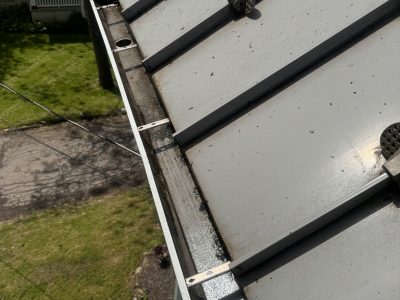
A gutter system does quiet, unglamorous work until the day it does not. When water starts spilling over the edge during a storm, dripping behind the fascia, or carving trenches next to the foundation, the problem suddenly feels urgent. Most homeowners discover that gutter repair is rarely about one dramatic failure. It is usually a chain of smaller issues: a loose hanger, a failed seam, a clog that sat too long, or a downspout that cannot keep up.
The good news is that many common gutter problems are well within reach for a careful DIYer. The hard part is not the repair itself. It is choosing the right tools, using them safely, and knowing which jobs deserve patience instead of force. I have seen homeowners fight a simple leak with the wrong sealant, bend a section out of shape with oversized pliers, or spend an hour on a ladder because they did not have a decent scoop and hose nozzle. Good tools do not just speed up the work. They prevent the sort of collateral damage that turns a small repair into a weekend-long replacement.
What makes a gutter repair tool worth owning
A useful gutter tool has to do more than work once. It needs enough reach for awkward angles, enough control for thin metal or vinyl, and enough durability to sit in a garage for a season without turning into junk. Gutter materials are not forgiving. Aluminum dents easily. Vinyl can crack if you tighten fasteners too aggressively in cool weather. Steel resists bending but punishes weak cutters and bargain snips.
A second consideration is where the tool saves effort. Some items matter because they make a task possible, like a stable ladder or a rivet gun. Others matter because they make the job cleaner and safer, like gloves that let you feel edges without slicing your knuckles. The best kit is not the biggest one. It is the one that lets you inspect, clean, seal, fasten, and test the system with confidence.
Start with access and safety, because every repair depends on it
Before talking about sealants, snips, or fasteners, it is worth stating the obvious thing people skip. Gutter repair happens at ladder height, often while leaning sideways over shrubs, driveways, or uneven soil. That changes the value of a tool completely. A mediocre caulk gun still works. A bad ladder setup can put you in the emergency room.
An extension ladder is the standard choice for one-story and many two-story homes, but only if it is sized correctly and set on firm ground. The ladder should extend high enough above the roofline or working area to let you transition and reposition without stretching. A ladder stabilizer, sometimes called a standoff, is one of the most underrated accessories in this kind of work. It keeps the ladder from crushing the gutter edge, gives you room to work with both hands, and spreads contact across a wider area. For fragile aluminum gutters, that matters.
If you only buy one accessory beyond the ladder itself, make it a stabilizer. I have watched people rest a ladder directly on the front lip of a gutter and create a fresh sag while trying to fix an old leak. The repair may hold. The profile of the gutter often does not.
A good pair of grippy work gloves and wraparound eye protection are also part of the tool set, not an afterthought. Gutter edges are sharp, old screws are rusty, and flushing a downspout can send grit or debris back at your face. Thin nitrile gloves are too flimsy for this job. Go with something that protects while still letting you handle screws and sealant neatly.
The cleaning tools that reveal the real problem
Many repairs begin with cleaning, not because cleaning is glamorous, but because debris hides the failure. Pine needles can cover a separated seam. Wet sludge can make a gutter look like it is pitching the wrong direction. A packed elbow can mimic a full-system drainage issue when the real problem is ten inches from the outlet.
You do not need a dozen specialty gadgets here. A narrow gutter scoop, a small bucket or debris bag, and a garden hose with a controllable spray nozzle cover most situations. A plastic scoop is kinder to aluminum than a metal trowel, and it reaches into the curved bottom of standard K-style gutters better than a gloved hand alone. For stubborn buildup, especially where shingle grit has compacted into a heavy paste, a stiff nylon brush helps without gouging coatings.
A wet/dry vacuum can be useful if you already own one and can safely use it from stable footing, but it is not essential. In practice, hand cleaning is often faster for spot repairs because you can feel what is going on. You notice loose spikes, brittle sealant, soft wood behind the gutter, and crushed outlet openings that a vacuum would ignore.
One simple habit saves time: flush every section after cleaning and watch the flow. Water tells the truth fast. It will show you if a gutter is holding standing water, bypassing a joint, or backing up at the downspout.
The core hand tools that handle most gutter repair jobs
A surprising amount of gutter repair comes down to ordinary hand tools used carefully. The difference is that gutters punish sloppy force. You want control.
Here are the tools I would consider the backbone of a DIY gutter repair kit:
- A cordless drill or driver with nut drivers and screwdriver bits for removing and setting gutter screws, brackets, and downspout fasteners.
- Aviation snips, ideally straight-cut and one offset pair, for trimming aluminum, cutting patch material, and opening damaged sections cleanly.
- Adjustable pliers or tongue-and-groove pliers for reshaping bent lips, crimping downspout ends, and holding fittings steady.
- A quality caulk gun for applying gutter sealant with consistent pressure, especially in seams and end caps.
- A tape measure and torpedo level for checking spacing, slope, and outlet alignment before tightening everything back down.
A cordless drill earns its keep immediately. Old gutter spikes, loose hidden hangers, and downspout straps almost always need attention. A lightweight drill is better than a heavy, high-torque model for work on a ladder. You are not framing a deck. You are driving small fasteners into thin metal and fascia boards that may be older than the house paint. Too much torque strips holes fast.
Aviation snips are another place where quality matters. Cheap snips chew edges and leave you wrestling with jagged cuts. On aluminum gutters, a sharp pair gives you a cleaner line and far less distortion. If you are patching a section, that clean cut is the difference between a patch that sits flat under sealant and one that fights you the whole way.
Sealants and patch materials, where many repairs succeed or fail
The most common mistake in DIY gutter repair is using the wrong sealant. Homeowners often reach for whatever tube is already in the garage, which is usually painter's caulk, general-purpose silicone, or construction adhesive. Those products may stick for a while, but gutters expand, contract, stay wet, and collect grime. A gutter joint needs a sealant made for exterior metal exposure and water contact.
A butyl or gutter-specific sealant is usually the safest choice for aluminum and metal systems. It remains flexible, bonds well, and tolerates seasonal movement better than brittle products. Silicone can work in some cases, but it is less forgiving on dirty or oxidized surfaces and can be harder to rework later. The key is surface prep. No sealant performs well over mud, oxidation flakes, or old loose caulk. Scrape, brush, dry, and then seal.
For holes and split seams, patch material matters too. Small pinholes can sometimes be sealed directly, but anything larger than a tiny puncture usually benefits from a patch. Aluminum flashing works well for aluminum gutters because it is easy to cut and shape. The patch should extend beyond the https://juliusrhsk225.iamarrows.com/how-to-know-when-small-gutter-repair-jobs-become-big-problems damaged area enough to distribute stress, and it should sit flat. If the gutter is heavily corroded or paper-thin around the hole, patching becomes a short-term fix at best.
I have seen neat-looking repairs fail within a season because the surrounding metal was already too far gone. If you press gently near the damage and the metal flexes like a soda can, replacement of that section is usually the smarter path.
Fasteners that actually improve the system
Older gutters are often secured with long spikes and ferrules. Those systems can loosen over time, especially in freeze-thaw climates or where fascia boards have started to dry out and soften. Replacing old spikes with modern gutter screws or hidden hangers often solves recurring sagging better than simply reseating what is already there.
Hidden hangers create cleaner support and tend to hold shape more evenly across the run. Gutter screws are useful for direct repairs where a hanger is still sound but a connection has backed out. Stainless or coated fasteners are worth the slight extra cost because the environment inside a gutter is hard on metal. Water, decomposing leaves, and roofing granules create a dirty chemistry that cheap screws lose to quickly.
This is also where restraint matters. Overtightening a screw can deform the gutter wall, strip the wood behind it, or pinch the profile enough to interrupt flow. Tight is enough. Crushed is not better.
Specialty tools that are useful, but not always necessary
Some tools sit in a gray area between essential and nice to have. Whether they are worth it depends on how much repair you expect to do and what kind of system you have.
A rivet gun is one good example. If you are repairing metal downspout connections, end caps, or certain seams, rivets can create a tidy, durable connection that screws sometimes distort. They are especially helpful where protruding screw heads would catch debris or interfere with fit. Still, for a homeowner handling one minor repair every couple of years, it may not be the first purchase.
A downspout crimper is another one. It lets you resize the end of one section so it slips into another without fighting it. If you have ever tried to reconnect a bent downspout elbow by hand, you know how quickly the metal loses its shape. A crimper makes that process much cleaner. Not everyone needs one, but when you do need it, there is not a great substitute.
A magnetic bit holder also deserves a quiet nod. It is not glamorous, but when you are balancing on a ladder and trying not to drop a fastener into a hedge for the third time, small conveniences become real productivity.
Matching the tool to the repair
Not all gutter problems ask for the same approach. A leaking seam, a sagging run, and a clogged downspout may all show up as water near the foundation, but they demand different tools and a different pace.
For a leaking seam, cleaning tools, a scraper, a brush, and a proper caulk gun do most of the work. The repair is only as good as the prep. For sagging gutters, the stars of the job are the ladder setup, drill, fasteners, and level. Here you are restoring pitch and support, not just plugging a leak. For crushed or separated downspouts, pliers, snips, a crimper, and perhaps a rivet gun come into play.
This distinction matters because homeowners often buy the tool that suits the symptom they can see, not the cause they have. A tube of sealant is not a fix for a gutter that has pulled away from the fascia. Water may stop escaping from one seam, but it will simply find the next low point if slope and support are wrong.
A few repairs that deserve caution
Not every gutter issue should be tackled casually, and some should not be tackled as a DIY project at all. If the fascia behind the gutter is rotted, the problem has moved beyond metal and fasteners. You are now dealing with carpentry, potential paint failure, and possibly roof edge damage. In that case, the right tool may be a pry bar and a circular saw, but the right decision is often to stop and assess the full extent of the damage before touching the gutter.
The same goes for second-story repairs on steep, awkward rooflines. Technically, the gutter may only need a new hanger. Practically, access may be the whole problem. No tool overcomes bad footing, high wind, or a ladder angle that forces you to overreach. Professionals earn part of their fee by being able to work safely in exactly those conditions.
If your system is seamless aluminum and the damage involves a long torn section, remember that while patches are possible, seamless replacement sections are not typically made on site by homeowners. At a certain point, the repair stops making sense cosmetically and structurally.
Buying smart instead of buying everything
The temptation with home repair is to build a kit for every future possibility. With gutters, that can become expensive fast, and much of it is unnecessary. It is better to buy for the jobs you actually have in front of you and choose decent quality in the tools that affect safety, cutting, and sealing.
If I were advising a homeowner with a typical one-story home and common aluminum gutters, I would suggest prioritizing purchases in this order:
- Ladder safety gear, especially a stabilizer, plus gloves and eye protection.
- Cleaning tools, including a scoop, hose nozzle, and brush.
- A drill with the right bits, quality gutter screws, and a small level.
- A dependable caulk gun and gutter-specific sealant.
- Aviation snips and, if downspout work is needed, pliers or a crimper.
That sequence covers the majority of maintenance and repair calls I see around homes: leaks at seams, standing water from poor pitch, loose sections, and blocked downspouts. It also keeps you from overspending on specialty items before you know whether you need them.
Tool quality, maintenance, and the hidden savings
There is a point where cheap tools cost more. It usually arrives halfway through a repair when a snip hinge loosens, a drill bit rounds off a screw head, or a bargain caulk gun jerks and spits sealant in all the wrong places. Gutter work rewards precision, and precision depends on tools that behave predictably.
That does not mean buying contractor-grade everything. It means paying attention to the few tools that most affect the result. Sharp snips reduce edge damage. A sturdy ladder accessory protects the gutter itself. Better bits grip screws cleanly. A good caulk gun lays a controlled bead instead of a mess you have to smooth out with a gloved finger and hope for the best.
Maintenance is simple but worth doing. Wipe sealant from tools before it cures. Dry snips and pliers before putting them away. Keep drill bits sorted so you are not hunting on the ladder. Store sealant according to label guidance and be realistic about shelf life. Old product is a false economy, especially when the whole purpose of the repair is to stay watertight through the next storm.
The real goal of a gutter repair kit
The best tools for DIY gutter repair projects are not necessarily the most specialized. They are the ones that let you inspect clearly, work safely, and make repairs that last more than one heavy rain. That usually means a stable ladder setup, straightforward cleaning gear, a few reliable hand tools, proper sealant, and the judgment to know when the metal is still repairable and when the wood or system behind it is not.
Good gutter repair has a modest look to it. When it is done well, nothing dramatic changes from the curb. Water simply goes where it should. The corners stay dry. The mulch stops washing out. The basement smell after storms fades. It is the kind of home maintenance that earns no compliments, but prevents plenty of expensive ones later.
If you approach the job with the right tools and a little patience, many gutter problems are manageable. Skip the gimmicks, respect the ladder, and let the repair be neat rather than fast. That is usually what holds up best when the weather finally tests it.
Just Gutters LLC
262 Main St
Hackettstown, NJ 07840, United States
Phone: +1 201-331-9454
FAQ About Gutter Repair
Is it cheaper to repair or replace gutters?
Repair can cost less when damage is limited and the remaining system is sound. Replacement may offer better value when leaks, corrosion, or repeated failures affect several sections. An inspection and written estimate can help compare the options.
Can damaged gutters be repaired?
Many localized problems, including leaking joints, loose brackets, sagging sections, and damaged downspout connections, can be repaired. The best approach depends on the material, extent of damage, and condition of the mounting surface.
Can I repair gutters myself?
Simple ground-level checks may help identify a problem, but roof-edge work carries fall risks and may require specialized tools. Professional assessment is advisable for high gutters, loose sections, hidden wood damage, or uncertain drainage problems.